TLDR; Listen to yourself:
- your mood
- your numbers (grip strength, RHR, HRV, sleep)
- your body, soreness, posture
If you’re tired:
- Either dial back the workout, do cross training, or don’t do it at all
- Are you feeling better 15 minutes into the workout?
- After working out, promote recovery with mobility, breathing, and relaxing
Remember, the value of a workout isn’t just what you do during your training: The real benefits come from recovering afterward, as your body gets stronger, faster, leaner, and healthier.
Questions to ask yourself
What is your RHR, in the morning before getting up? Higher lower or average?
What is your sleep quality? 8 hours? Able to fall asleep easily?
What is your HRV? It’s only one factor, but can help.
What’s your mood like? Posture? Smile? Head space?
Are your hands shaking if you hold the up level to your eyes?
Are you more energized 15 minutes into the workout?
Factors that help determine your recovery level
- Testosterone/Cortisol Ratio.
- Heart Rate Variability Monitoring.
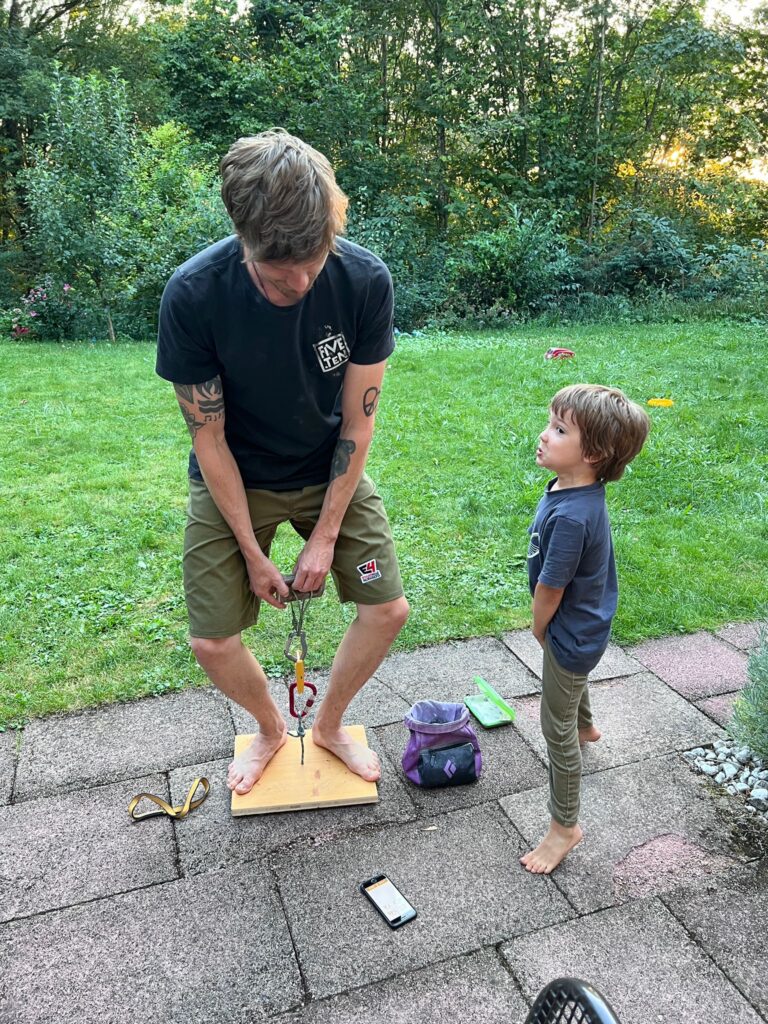
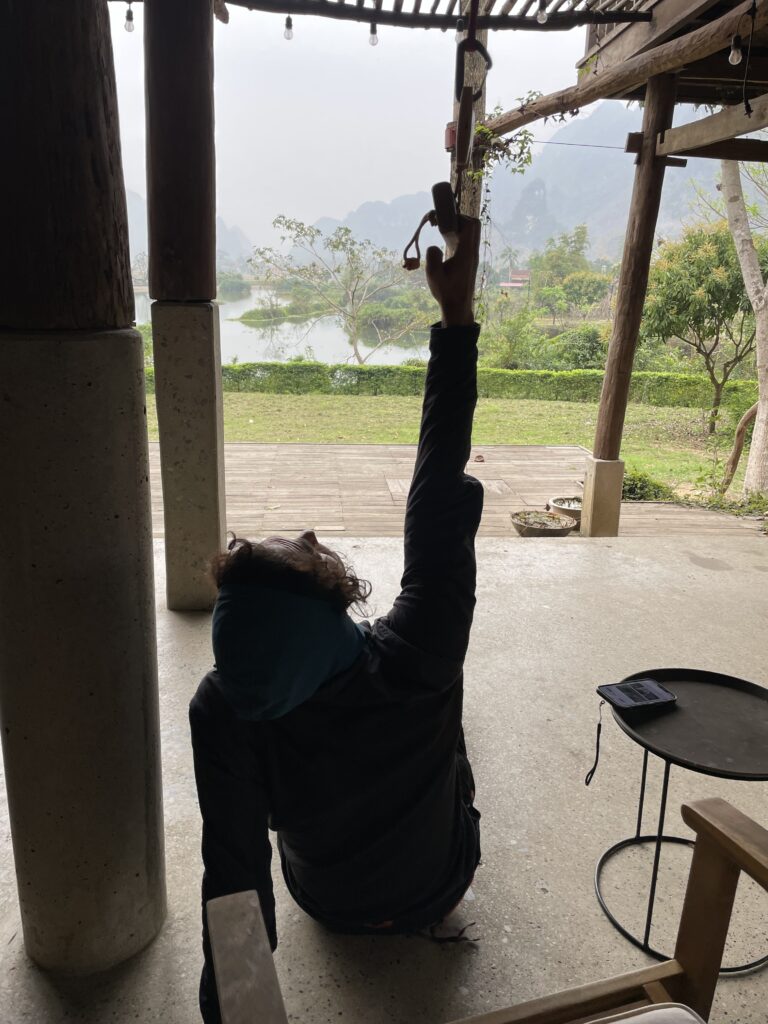
- Test Your Grip Strength.
- Monitor Morning (Resting) Heart Rate.
Once you’ve got an idea of how well you’re recovering, it’s time to adjust your program. All you need to do is have a prescribed “step up” for good days and a “step down” for bad days.
HRV programs are pretty good about helping you interpret results, and for grip and morning HR, anything more than a 5% swing is significant. If your grip is 70kg, a reading above 74 means you’re ready to tear into extra weight/volume, and less than 66 means you need to take it a little easier. If you normally have a morning HR of 70, it’s just reversed — 66 means you’re ready to rock, and 74 means you need to cool your jets.
Speed up Recovery, Post-workout
- SELF-DIRECTED SOFT TISSUE WORK
- STATIC AND DYNAMIC OSCILLATORY STRETCHING
- DEEP DIAPHRAGMATIC BREATHING TECHNIQUES
- ACTIVE LYMPHATIC DRAINAGE
Other tips
Take a shower to relax and trigger a state switch, from sympathetic to parasympathetic systems. Cold showers are even better
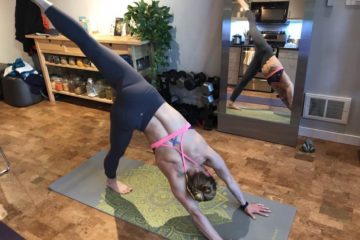
Get upside down to direct the blood flow in the opposite way. Change up your blood pressure and don’t let it stay in your feet
The longer you stay in a sympathetic state after training, the more elevated inflammatory markers become and the harder it is to eventually reverse the central nervous system response to start recovery.
Recovery speed
https://theathleteblog.com/accumulated-fatigue-post-workout-recovery
If all factors held equal, athletes with better aerobic capacity will recover faster. That’s why general endurance and aerobic base is important for athletes across all sports – power, speed, endurance, team, etc.
Better overall endurance will also allow to tolerate more training load leading to better training results.
Energy recovery after a hard effort is very quick compared to other processes.
Carbohydrate recovery takes place within a couple of hours after the session.
Protein synthesis takes much longer and it may take up to 5 days to fully heal micro traumas in the muscles
Anything over an hour close to threshold effort will require several days of rest.
‘I’m too tired to exercise’ – classic symptom of accumulated fatigue
As we add more stress to our life – doesn’t matter, training or work-related – our immediate performance suffers. We feel tired, slow, lacking energy, our blood pressure and heart rate are up – you name it.
If the hard effort takes place before complete recovery and supercompensation, we only dig a bigger hole for ourselves.
Accumulated fatigue and immune system
When the body accumulates fatigue its defense systems become weak. Inflammation that takes place throughout the body and cortisol released in response to stress decrease the level of white blood cells, which promotes the growth of infections or viruses.
Therefore, during periods of high training loads athletes are at much greater risk of catching a cold or developing an illness. If that happens, they lose the momentum and fall back on their training.
Even one session at a wrong time can lead to illness and weeks away from training, so it’s often better to stay cautious.
Listen to your body post-workout:
- Muscle soreness
- Resting HR
- Blood pressure
- Sleep quality
- HRV
- Mood
Food is magic: you can reduce inflammation and heal your body. Use it wisely. I find having lots of protein as well as using bromelain and quercetin supplements help me put off DOMS and recover faster.
If you find yourself tired – re-assess how you feel, what led to this situation and re-plan accordingly. Adding an easy paced recovery session, cross-training or some mobility and core work instead of a hard program may even give better result than an interval session.
After all, muscles are getting their stress, body is getting its hormones. And that’s all that matters.
Don’t be afraid to adjust the plan if you’re too tired to exercise
As much as we want to plan everything, life happens. Walking too much on a weekend while traveling or doing a push up challenge or work deadlines, anything can happen and throw training off track.
Don’t be afraid to reduce the intensity of a session or take a day off if you’re feeling down. Nobody follows their training plan 100% – even the pros. Most of them structure their training around post workout recovery to execute key sessions well and keep the rest open.
In fact, many professional athletes get to the top not because of the Terminator-style training schedule, but in spite of that.
Make a point of addressing your recovery plan. After all, the value of a workout isn’t just what you do during your training: The real benefits come from recovering afterward, as your body gets stronger, faster, leaner, and healthier.
Train on Rock Star!

1 Comment
Crazy Easy Finger Training in 6 minutes – Alpine Vagabonds · September 25, 2025 at 3:59 pm
[…] of hard climbing, you are probably not recovered! Don’t despair! Grip strength is one of the top indicators of your recovery level. Rest up and try again […]
Comments are closed.